The award winners of the 41st DOK.fest München
We are pleased to present the award winning films of DOK.fest München 2026 and congratulate all the winners!
In the three competition sections DOK.international Main Competition, DOK.deutsch Competition and DOK.horizonte Competition – Cinema of Urgency the nominated films at the 41st International Documentary Filmfestival Munich competed for the VIKTORIA – the award statue donated by the sponsoring association of DOK.fest München. In addition, other top-class awards were presented. A total of 64,200 euros in prize money were awarded.
VIKTORIA DOK.international Main Competition
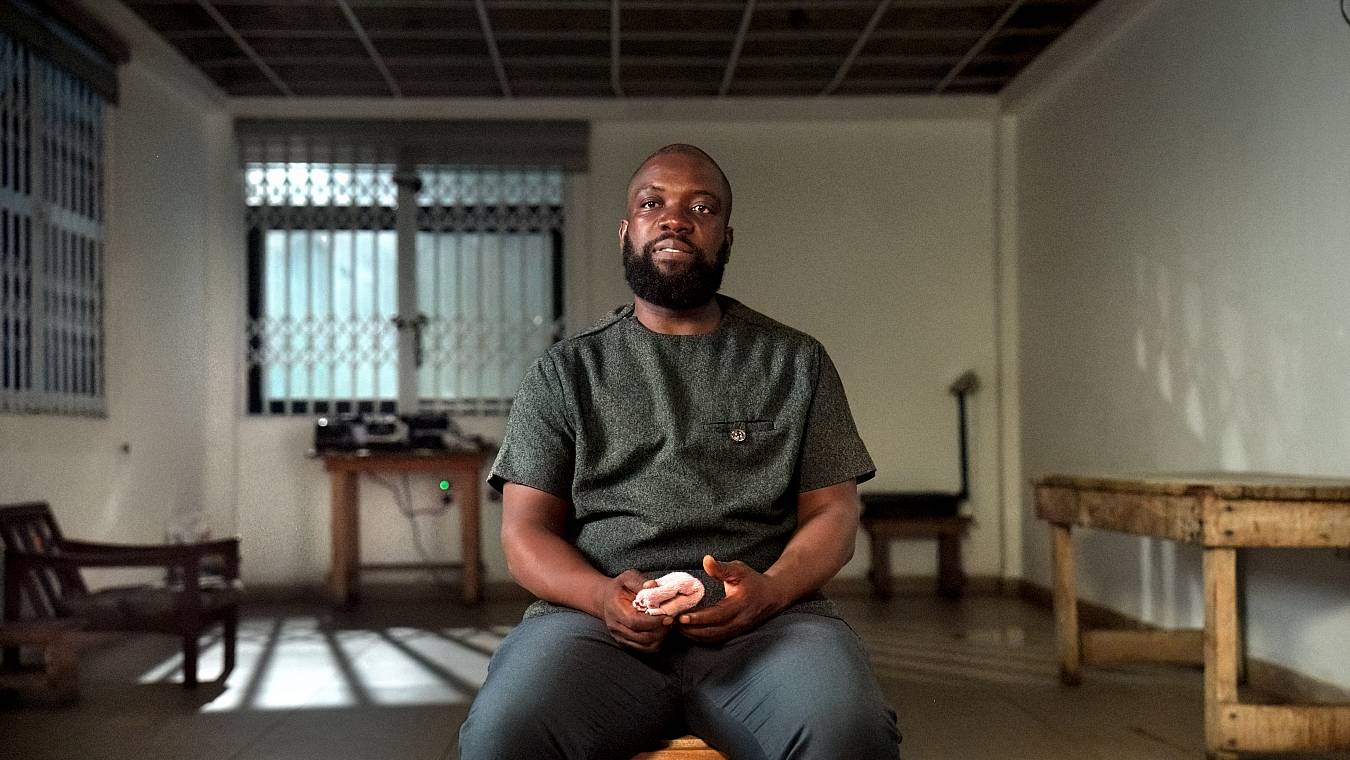
THE NARRATIVE
Director: Bernard Weber & Martin Schilt
Former UBS trader Kweku Adoboli is sentenced for a $2.3 billion loss. But who is truly to blame in this case? The film reconstructs the trial using original court transcripts and challenges the prevailing narrative. A multifaceted portrait of capitalism, systemic failure, and the power of narratives. H.-M.S.
Jury's statement: "Our winning film is a masterclass in navigating the staggering complexity of truth. With a protagonist who is as likable as he is resilient, the filmmakers invite us into a story that is emotional 'like hell,' yet remarkably balanced by a sharp, necessary sense of humor. We are not just observers of his journey; we are allowed and encouraged to laugh with him, even as the gravity of his situation unfolds.
Through a deeply human lens, the film exposes the devastating consequences of being a 'pleaser' in a world rigged against you. It lays bare a profound systemic injustice, revealing the cold lack of responsibility and the layers of deception practiced by powerful banking institutions. At its core, the film is a searing indictment of how easily an individual can be turned into a scapegoat, highlighting a narrative of survival in the face of pervasive, everyday racism.
What impressed the jury most was the film’s ability to portray its subject not merely as a victim, but as a complex survivor. It brilliantly captures the tension between his initial naivety and the harsh reality of institutional betrayal. Ultimately, THE NARRATIVE challenges us to look beyond the official record to find the human heart beating beneath. It is a story of resilience that demands empathy, justice, and a long-overdue reckoning with the truths we choose to ignore.
Congratulations to Bernard Weber and Martin Schilt!"
Jury: Heino Deckert (Managing Director of Ma.ja.de & Producer), Jacqueline Nsiah (Film Curator & Programmer), Per K. Kirkegaard (Film Editor)
Sponsored by Bayerischer Rundfunk, endowed with 10,000 euros. Nominated were films that show a broad spectrum of content and form and are distinguished by their high artistic quality.
VIKTORIA DOK.deutsch Wettbewerb
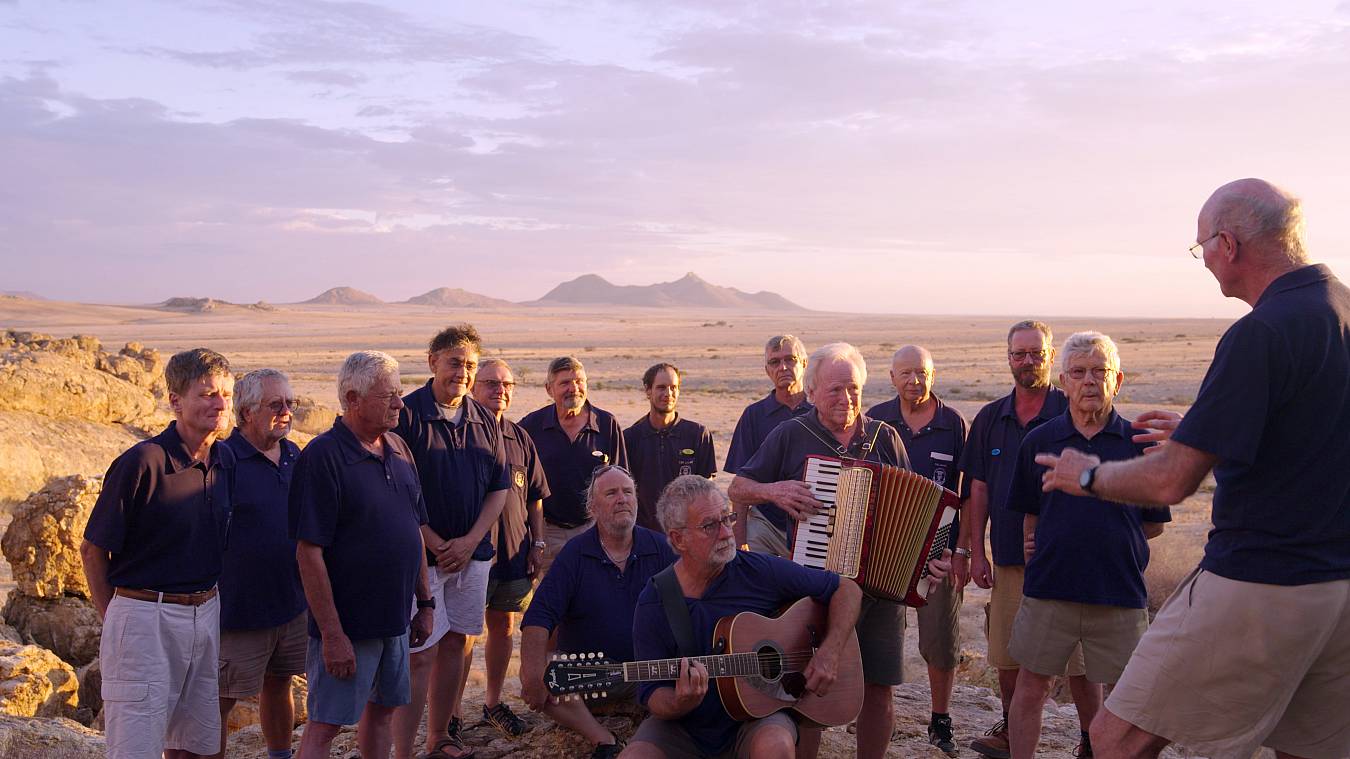
MEANWHILE IN NAMIBIA
Regie: Jonas Spriestersbach
Although Germany acknowledges the genocide of the Herero and Nama in German South West Africa, it offers development aid rather than paying reparations. In his episodic film shot in Namibia, Jonas Spriesterbach observes his surroundings with keen attention and captures powerful images that reveal the alarming extent of structural inequality and racism. Barbara Off
Jury's statement: "MEANWHILE IN NAMIBIA is in many ways an appalling film. Spriestersbach does warn us that the film portrays explicit racism and colonial violence. And that premise is hard to accept and watch being played out in 2026. The film's observational style shockingly reveals how racism and colonial structures have persisted from the genocide of the Ovaherero and Nama population by the German colonial power right up to the present day and show no signs of abating. German tourists reproduce them along with German development workers, backed by funding from the German government, shaping society in Namibia today and keeping the Namibian citizens in check. We are deeply impressed by the director's perceptive camera work, which captures tourists watching the display of the Black population in pre-colonial costumes with unabashed racist and sexist gazes.
We were stunned by the images and the actions and opinions they portray. The camera does not seem neutral, but the protagonists are presented as they present themselves. The subjects speak and act openly in front of the camera. The director skilfully underscores the unease the film rightly leaves us with further, when the camera at times permits a shift of perspective, where Namibians get to comment on the Germans' behavior and presentation. An intense and visually stunning film that lingers long after viewing."
Jury: Christa Auderlitzky (Managing Director Filmdelights Sales & Distribution), Inka Achté (Artistic Director of DocPoint Helsinki Documentary Film Festival and Head of Acquisition and Strategy at Raina), Mira Bach Hansen (Festival Consultant for Documentaries, at the Danish Film Institute)
Endowed with 7,500 euros. The nominated films deal with people and topics from the German-speaking world. Sponsored by Sky.
VIKTORIA DOK.horizonte Competition – Cinema of Urgency
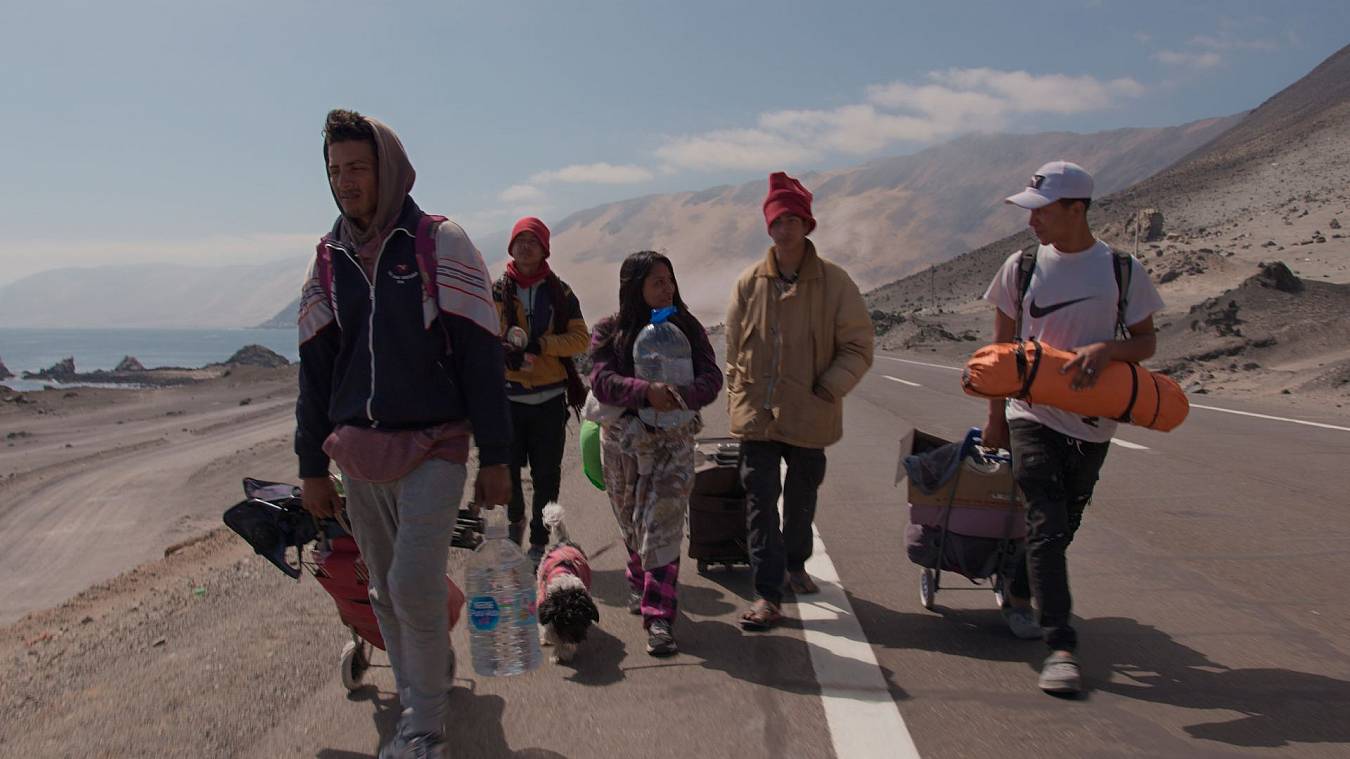
UNWELCOMED
Director: Sebastián González & Amílcar Infante
Somewhere in northern Chile, a mob chases Venezuelan migrants who have traveled thousands of kilometers in search of one thing: work and a decent life. Bird's-eye views of Chile's barren yet beautiful landscape contrast with close-ups of the protagonists. The complexity of migration on the other side of the ocean holds up a mirror to us. Sara Gómez
Jury's statement: “From the outset, the film establishes a rigorous and confident language. Darkness, the sound of strong wind and a minimal textual framework situate the film on a migration route, before vast, disorienting landscapes and the first testimony unfold. Through this account, a journey takes shape across multiple borders and conditions, where exposure, altitude and constant movement demand endurance and reveal barriers rather than resolution.
It is only after this that the title appears: Si vas para Chile. Drawn from a well-known Chilean folk song associated with hospitality and the welcoming of strangers, the phrase suggests invitation and welcome. Yet here, it resonates in contradiction with what we have already witnessed, situating the film within the broader context of the Venezuelan diaspora, one of the largest displacement movements in recent history.
What distinguishes this film for us is the clarity of co-directors Sebastián Gonzaléz and Amílcar Infante’s formal decisions. Rather than following a single protagonist, they bring together a plurality of voices, allowing individual experiences to accumulate without collapsing them into a simplified narrative. This maintains scale, while a tension between distance and proximity shapes the viewing experience. Expansive aerial views hold us at a remove, while closer encounters introduce an immediacy that remains deliberately incomplete. Through this, the film does not simply depict migration, it renders its conditions tangible.
This becomes particularly striking in sequences marked by acts of collective violence. The film forces the viewer to face what is otherwise difficult to hold. In these moments, deeper social and economic tensions take form, as the film lays bare how systems that regulate movement both enable and restrict it. Hostility is not incidental, it is produced, and it persists despite shared language and proximity, revealing a form of exclusion that is systemic.
For us, as a jury, this is what makes Si vas para Chile an outstanding work. It combines formal precision with political clarity. At a moment in which migration is increasingly framed through fear and division, the film insists on recognising the structures that produce these conditions. It expands our horizon by making clear that this is a reality shaped by political and economic systems, and that acknowledging this requires more than observation. It requires responsibility."
Jury: Dario Oliveira (Artistic Director of PortoPostDoc), Susann Knießner (Fund Coordinator Berlinale World Cinema Fund), Susan Mbogo (Executive Director, Docubox. Fund)
Sponsored by the Petra Kelly Foundation, endowed with 5,000 euros. The nominees were films that focus on countries with unstable structures.
megaherz Student Award
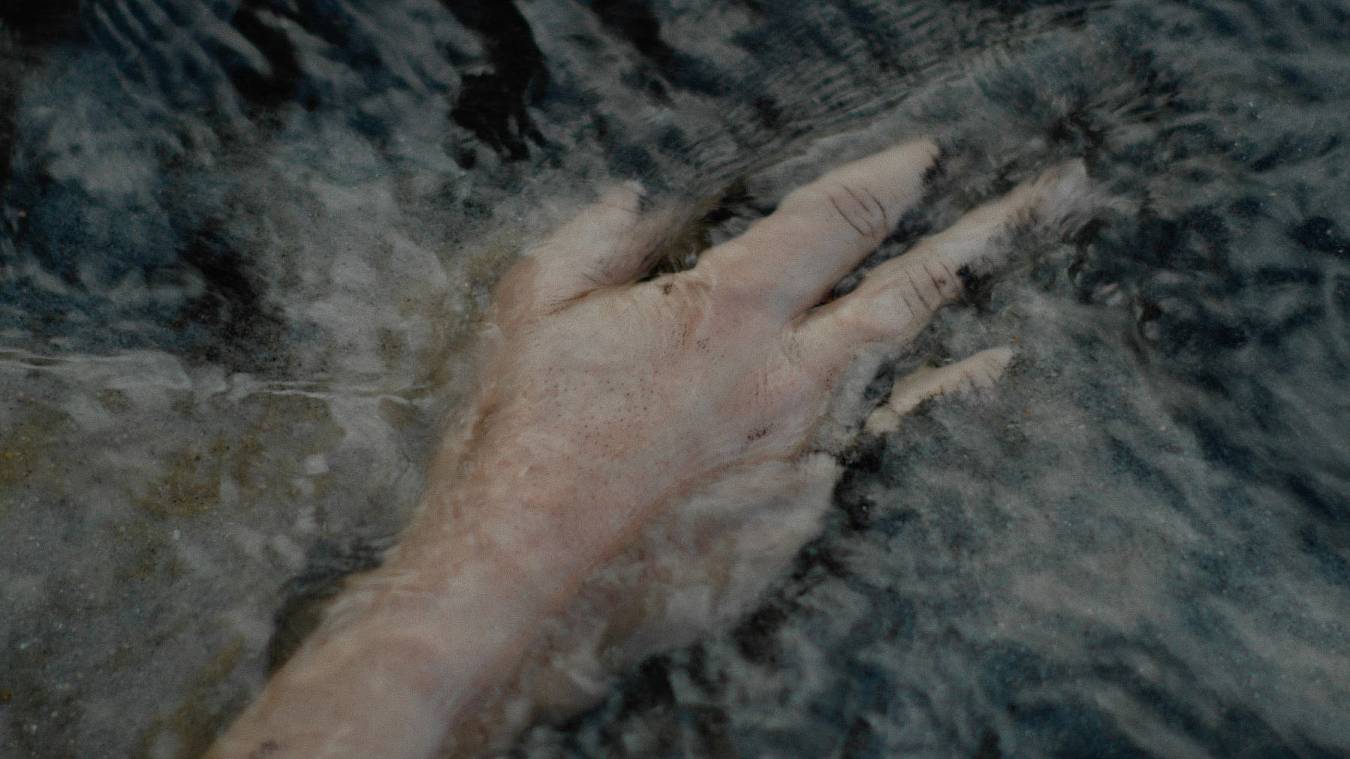
SOMETIMES, I IMAGINE THEM ALL AT A PARTY / WAS AN EMPFINDSAMKEIT BLEIBT
Director: Daniela Magnani Hüller
Fourteen years after surviving an attempted femicide, the filmmaker returns to the people and moments from back then. Conversations are filled with warmth and hope, but also with coldness and brutality. Through intense encounters, the protagonist explores her memories—and seeks answers to all the questions that have haunted her ever since. J.S.
Jury's statement: "Selecting one winning film from many strong entries was not easy. We warmly congratulate all the nominated Student Award filmmakers for their remarkable and moving works.
In SOMETIMES, I IMAGINE THEM ALL AT A PARTY Daniela Magnani Hüller succeeds in transforming a personal traumatic experience of male violence into a narrative that elevates her case to a societal level.
She created a wonderful mosaic of mixed media to guide us through the range of emotions experienced in processing her traumatic event. In interviews with people from her past, she engages on eye level, centering human experience, while at the same time creating an intimate sense of connection with her audience.
Daniela compels us with a unique sharpness of vision without losing complexity or perspective, leading us to moments where we can laugh together at the absurdities she faces without taking away any gravity.
We congratulate Daniela Magnani Hüller on winning the Student Award 2026 with her film SOMETIMES, I IMAGINE THEM ALL AT A PARTY."
Special mention: FIRST LAP CRASH
Director: Liam Erlach
The sister suffers from ME/CFS, while the brother wanders from place to place collecting images—a cinematic poem.
Jury's statement: "We would also like to give a special mention to the poignant film FIRST LAP CRASH by Liam Erlach. The film makes an invisible reality visible through rhythm, stillness, and radical reduction. Liam uses a distinct cinematic language to express the exhaustion, isolation, and fragility of everyday life."
Jury: José Manuel Cahuantzi (Escuela Superior de Cine), Jura Branellec (ZeLIG Bozen), Lissy Giglberger (HFF München)
Sponsored by the film production company megaherz, endowed with 3,000 euros, for the winning film in the Student Award series.
VFF Documentary Production Award
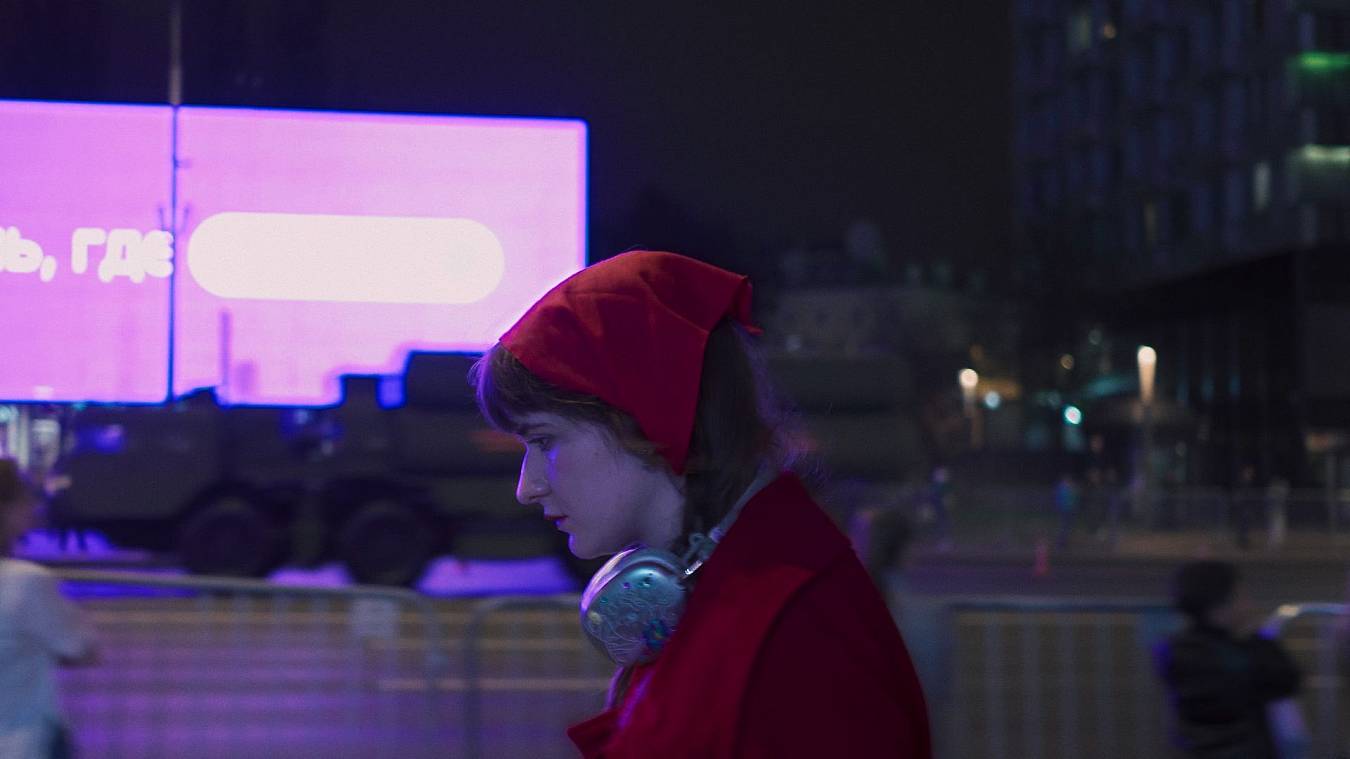
INNERE EMIGRANTEN
Producers: Lena Karbe, Anne-Catherine Witt und Kathleen McInnis
Director: Lena Karbe
A quantum of solace on the phone: In Moscow, three psychologists working for a crisis hotline have been battling the growing despair of the population since the start of the war in Ukraine. The film looks at the inner turmoil of people who are still in Russia but are not in accord with the regime. A precise reflection on the potential for internal resistance. A.K.
Jury's statement: “There are many benefits to dividing labour when it comes to making a film. An experienced production company takes charge of the financial, administrative and organisational aspects and, in doing so, provides the directing team with the creative freedom it desperately needs.
Yet, in documentary film in particular, we repeatedly encounter situations that can only succeed when the producer and director are one and the same person. “Innere Emigranten” by Lena Karbe is an outstanding example of this: the producer, who was born in St. Petersburg and has lived in Germany since she studied at the Munich Filmhochschule, returned to her home country to capture a profound and authentic picture of Russian society during a two-year production period. This was not achieved through the use of conventional journalistic methods – this would have been virtually impossible under the prevailing political circumstances – but through an idea that is as simple as it is ingenious: she portrays psychologists taking calls at a Moscow crisis hotline. We don’t see the callers themselves but, although the narrative is calm and reflective, the reactions of the counselling team shed light on the state of a deeply wounded society. It goes without saying that such a project can only be achieved under the strictest secrecy and Lena Karbe, taking a high risk herself, was well advised not to expose any other team members to the dangers involved. Her Russian crew remains completely anonymous and what we learn about the filming and the transfer of the resulting footage reads like an episode from a spy thriller.
It is hardly surprising that the German funders were initially sceptical about the success of such an undertaking but Lene Karbe did not give up: through repeated applications, she eventually secured the support of Film-Förder-Fonds Bayern, the Deutschen Film-Förder-Fonds DFFF and the FFA using funds from the German-French Mini-Traité as a German-French coproduction was established with Anne-Catherine Witt’s Paris production company Macalube-Film. Not wanting to be left out, the German broadcasters RBB and MDR came on board with just under a third of the production costs and ensured that the project, despite substantial contributions and provisions from the participating production companies, could be brought to a successful conclusion and achieve such a remarkable result. The jury concludes that a great willingness to take risks does pay off. And sometimes, as in this case, even results in you winning the VFF Documentary Film Production Prize. Congratulations!"
Jury: Thomas Frickel (Author, Director and Producer), Oliver Gernstl (Producer & Managing Director megaherz GmbH), Andrea Roggon (Director, Producer & Lecturer)
The award is donated by the VFF Verwertungsgesellschaft der Film und Fernsehproduzenten mbH and is endowed with 7,500 euros and is unique in Germany.
VFF Documentary Film Production Talent Award
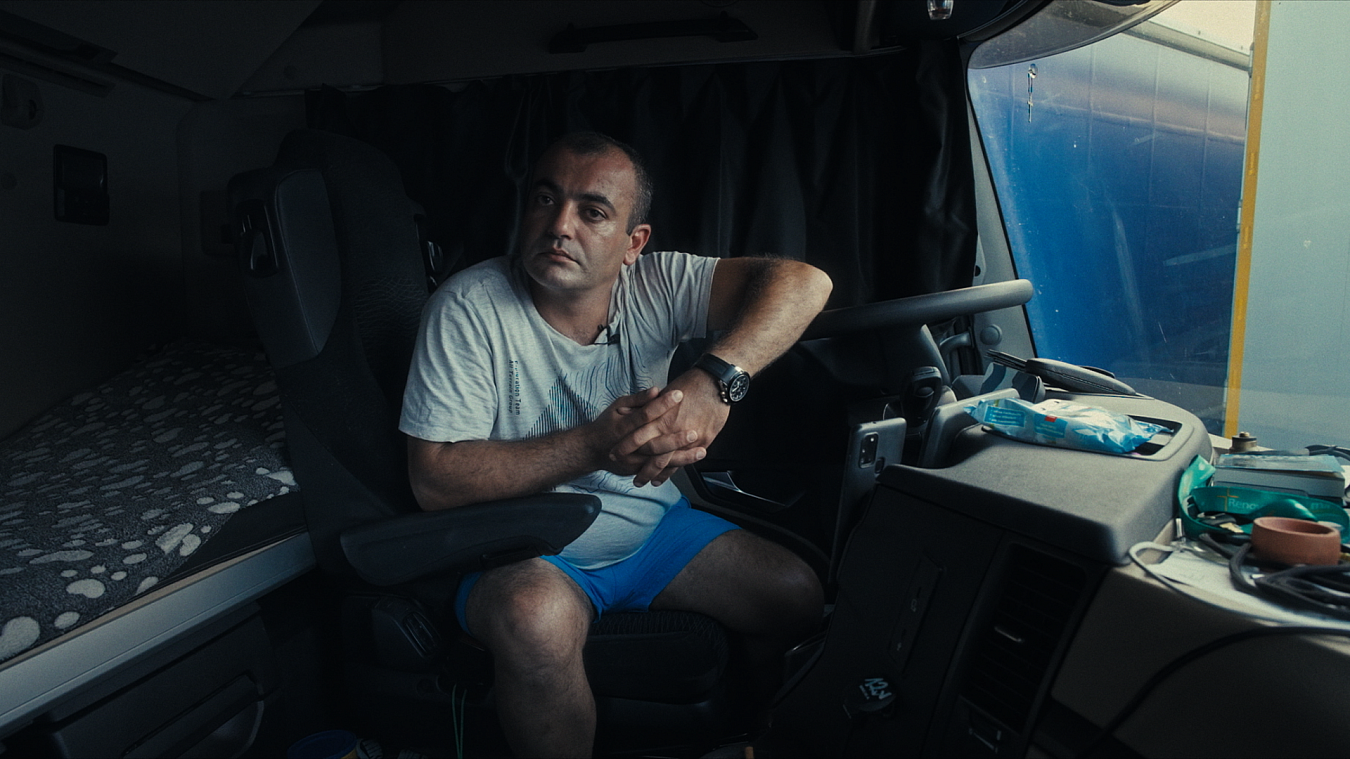
DRIVING EUROPE
Producers: Lennart Heidtmann, Felix Länge, Artur Althen
Director: Felix Länge
More and more goods are being transported on Europe's roads, yet work conditions for truck drivers are getting worse and worse. Exploitative dependency and wage dumping. A broken system! The film relentlessly exposes how disenfranchisement has become the norm. A look behind the facade of our consumer society. I.B.
Jury's statement: “A successful documentary film is a barometer of its time. It illustrates developments (and setbacks) in society and takes us behind the façade of actuality, by elevating social and political events from the anonymous news stream and giving them a human face.
For this, it must be backed up by production structures that lay the ground for this work, that establish the technical and organisational conditions needed and provide cover for the creative team.
In the DRIVING EUROPE project, this symbiosis appears to have been particularly successful and you can well imagine what the production contributed to the project in terms of organisational, material and possibly even moral support during more than eight weeks of filming at a motorway service station in southern Hesse as well as during the research that followed. In deciding on this production, Lennart Heidtmann, Felix Länge and Artur Althen have demonstrated what documentary work so desperately needs: a firm grasp of the relevance of a topic, an ability to act fast, and perseverance, even when a swift end to a project appears out of reach.
It was precisely these abilities that were required in 2023 during the second Europe-wide strike by Georgian and Azerbaijani long-distance lorry drivers whose wages had been withheld for months by their Polish employers and whose protest suddenly shined a harsh spotlight on the early-capitalist deficiencies in the European logistics industry. Ruthless competition and price dumping reduce lorry drivers, particularly those from eastern European and Asia, to working in conditions akin to modern-day slave labour in the full knowledge of reputable German companies and retail chains. By directing the documentary’s gaze beyond the scene of the protest onto the family background of one of those involved and, above all, onto the responsibility of the German clients is one of the merits of a production that is a worthy addition to the once strong but now seldom encountered subgenre of “films from the world of work” and, not least for this, it is well deserving of the VFF-Nachwuchs-Produktionspreis."
Jury: Cosima Forchheimer (Producer),Thomas Frickel (Author, Director and Producer), Leon Harms (Producer)
The award is donated by the VFF Verwertungsgesellschaft der Film- und Fernsehproduzenten mbH and is endowed with prize money of 3.000 euros. The award goes to the producer of the film. The award ceremony will take place within the festival programme of DOK.fest München, together with the VFF Documentary Production Award.
German Documentary Film Music Award
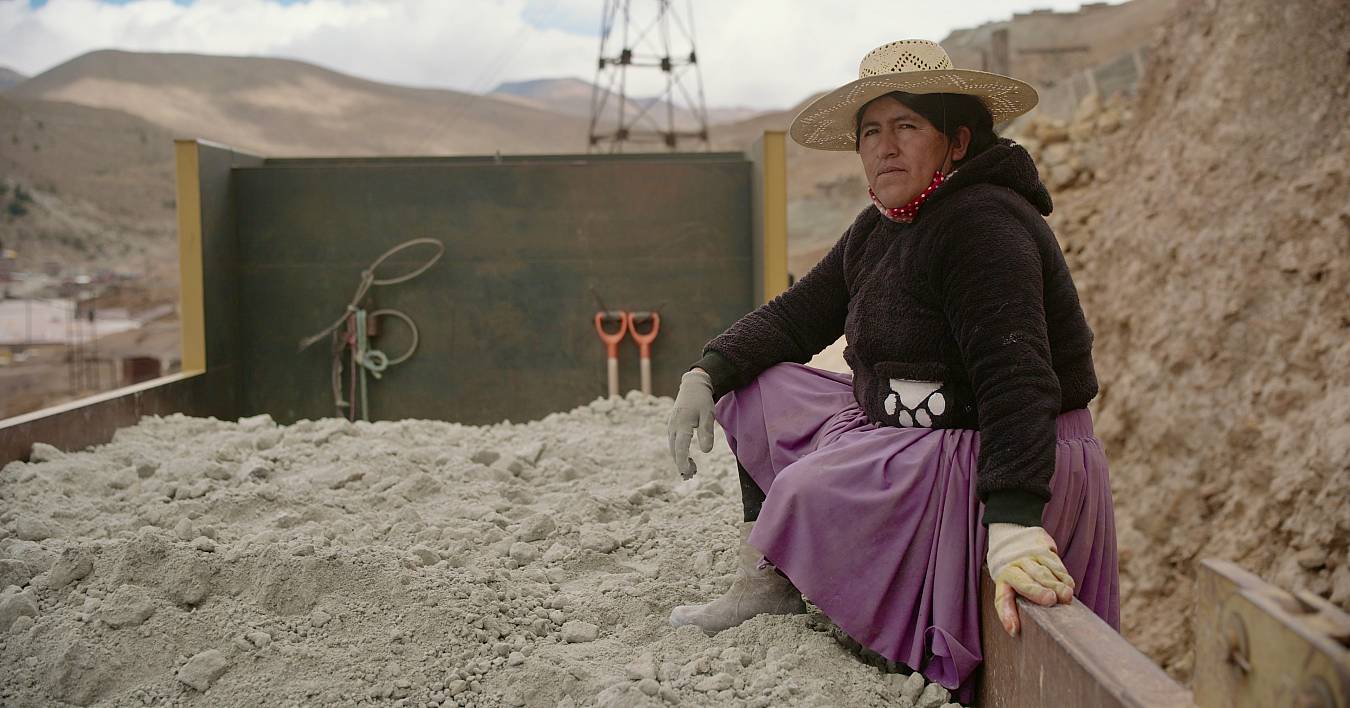
MATERIA PRIMA
Komposition: Atena Eshtiaghi
Regie: Jens Schanze
Europe’s hunger for lithium for electric cars and the energy transformation collides with Bolivia’s resources and 400 years of colonial history. Jens Schanze follows negotiations over mining and extraction rights while also drawing on the words of an indigenous chronicler from 1615. A film about resource justice and structures that stubbornly repeat themselves. S.B.
Jury's statement: "With her music for MATERIA PRIMA, Atena Eshtiaghi succeeds right from the start in giving additional depth to the film’s images and establishing a distinct narrative layer. The music operates as its own dramatic force that sensitively accompanies the film while at the same time enhancing it with dramaturgical precision. Over and again, it emerges organically from the sound design and blends seamlessly with the visual language.
The composition never seems arbitrary or ornamental but clearly thought out and coherent in its structure. It doesn’t thrust itself into the foreground but nonetheless has a great impact. With sensitivity, it conveys emotional nuances – sometimes in a delicate and restrained way, sometimes incisively and insistently. It is precisely this balance of subtlety and expressiveness that noticeably raises the film’s overall effect to a higher level.
This year’s 2026 German Documentary Film Music Award goes to Atena Eshtiaghi for her music for the film MATERIA PRIMA."
Jury: Victor Gangl (Composer), Dominik Giesriegl (Componist & Lecturer), Anke Petersen (Producer), Mirjam Skal (Composer)
The prize is endowed with 5,000 euros and honours the team of filmmaker and composer. The German Documentary Film Music Prize is sponsored by the Versicherungskammer Kulturstiftung and supported by the Förder- und Hilfsfonds des Deutschen Komponistenverbandes DKV.
all inclusive Award for Inclusive Documentary Film Productions
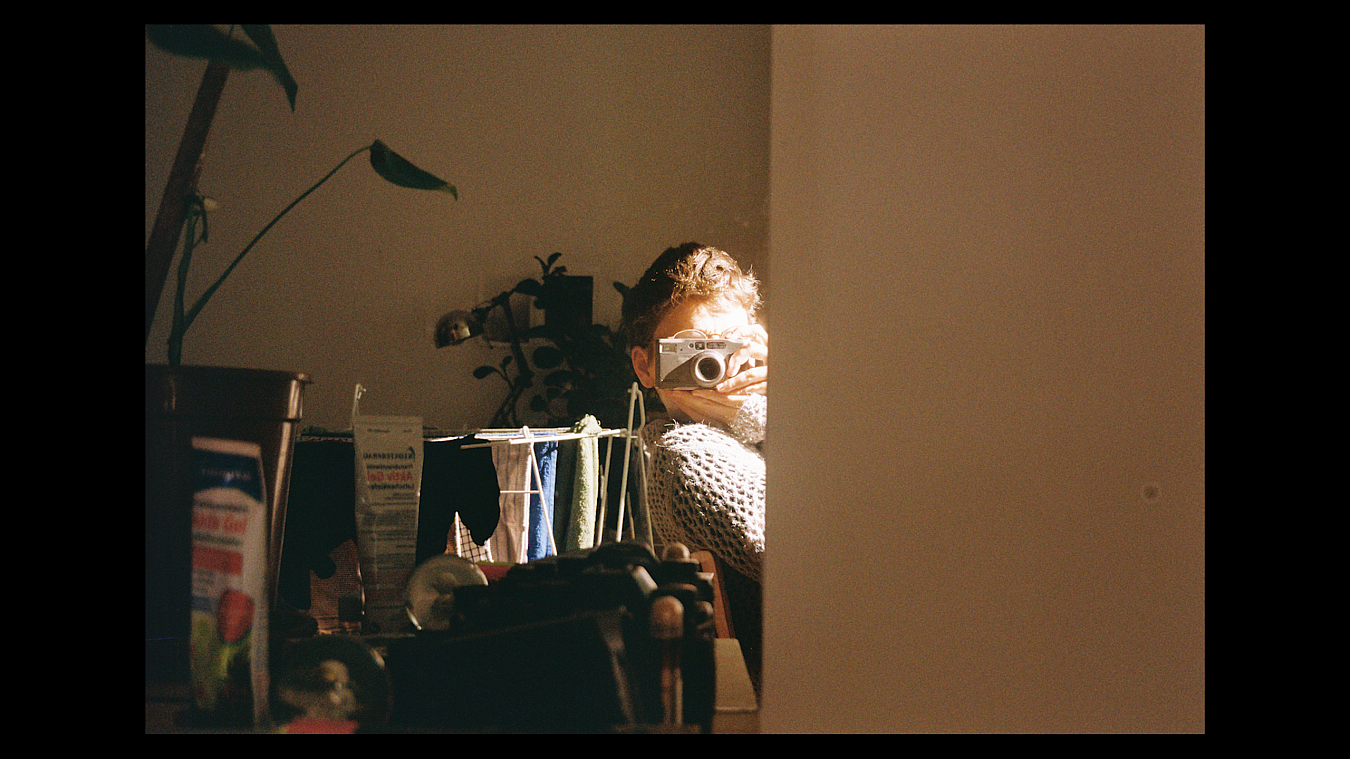
"HELLO NEW BODY, HOW ARE YOU TODAY?"
Director: Laura Kansy
Filmmaker Laura Kansy is one of an estimated 650,000 people in Germany living with ME/CFS. In her early 30s, she was suddenly thrown off course by this poorly researched multisystemic illness. Gently and with impressive visuals and sound, she documents the daily routines of her new microcosm with the help of her partner. K.S.
Jury's statement: „This film is a document of the impossible. With rare courage and remarkable sensitivity, HELLO NEW BODY, HOW ARE YOU TODAY? manages to portray something that resists being portrayed: the protagonist’s inner world and her invisible chronic disease, ME/CFS. In doing so, the work consistently translates perception into a distinct filmic form making intelligent use not only of images but, above all, of a gentle and immersive sound design. There was no audio description available for the jury screening but, despite this, the film captivated the blind jury member from the very first second. This was achieved through the calm, beautifully-sounding voice of the protagonist as well as the outstanding sound design, which allowed us to get a real sense of the various locations and made the inner worlds so palpable. You could experience the pain and all the ups and downs of the illness along with the director and protagonist.
The film’s narrative sensitively shows that we know very little about what it is like to live with this condition. We wish to stress that this film must have been created in a situation in which nothing could have seemed more impossible and distant than producing a film. The director Laura Kansy more than succeeded in this. The film is also the result of a production process that was adapted to the conditions of the disability, moving beyond rigid time constraints. In this way, the film impressively demonstrates that fair and sustainable film productions that are tailored to the needs of the participants are not only necessary but can also open up new creative horizons.
HELLO NEW BODY, HOW ARE YOU TODAY? provides an important impetus for inclusive production methods in documentary film and makes an exceptional contribution to the visibility of invisible disabilities."
Jury: Barbara Fickert (Founder und Managing Director of Kinoblindgänger gGmbH & Blogger), Vika Gurina (Director, Film Educator, Video Artist & Project Manager of the Inclusion Working Group at Pro Quote Film), Leonard Grobien (Screenwriter & Director Aura Film Production)
Donated by the Werksviertel-Mitte Foundation, endowed with 5,000 euros. Nominated are documentary film productions in which filmmakers with disabilities play a leading role. The award will be presented for the second time as part of the 41st DOK.fest München in May 2026.
kinokino Audience Award – sponsored by BR and 3sat
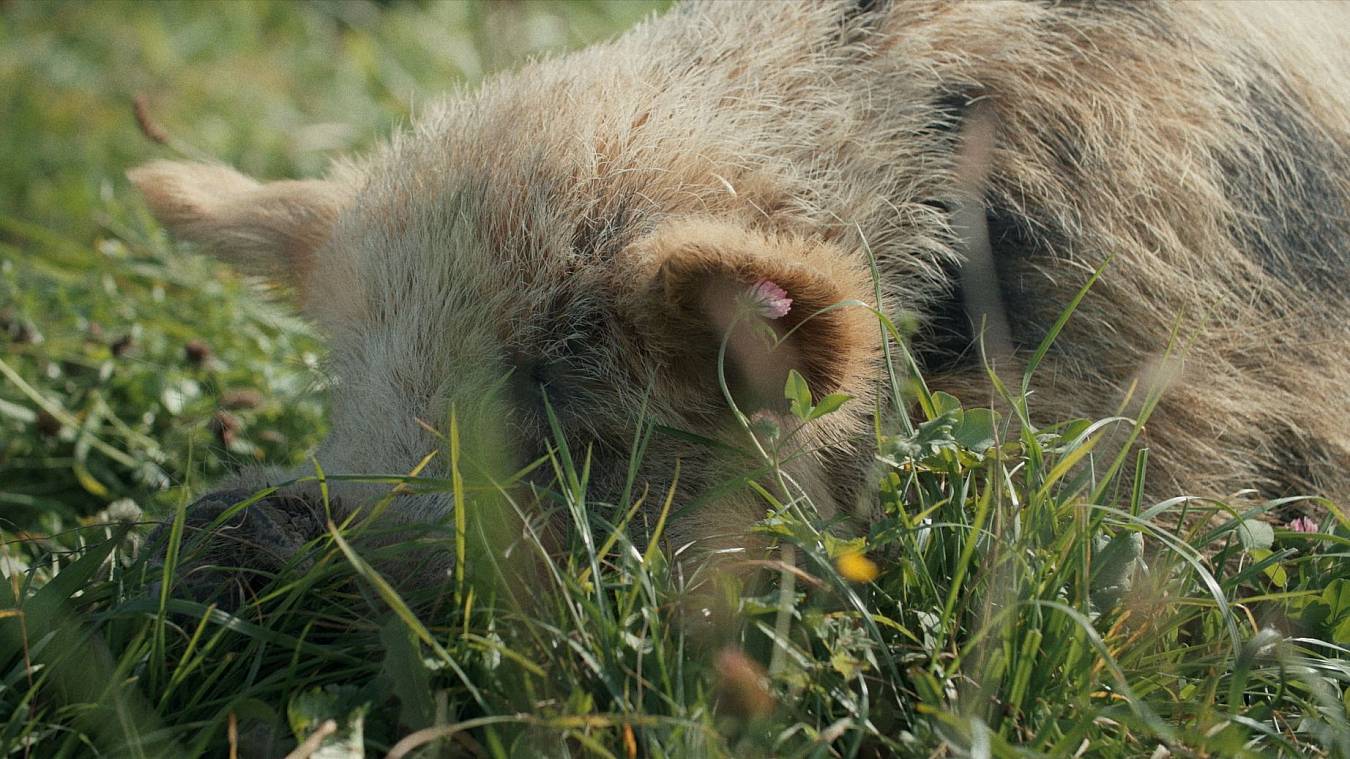
WHEN PIGS FLY
Regie: Denise Riedmayr
Pigs as farm animals? Or perhaps something to cuddle? And if pig hearts can soon be transplanted into humans, won't that raise entirely new issues? Are the boundaries between species becoming blurred? A film set between a university laboratory and an animal sanctuary that never attempts to lecture, but instead poses insightful questions and uncovers some astonishing discoveries. Jan Sebening
The kinokino Audience Award is endowed with 2,000 euros. The namesake and media partner of the audience award is kinokino – Das Filmmagazin im Bayerischen Rundfunk | 3sat.