
Ob Liebe reicht? Ein Blick in eine interkulturelle Ehe
Interview zu BECOMING KIM mit Regisseurin Susanne Kim von Maya Reichert
Eine Beziehung zwischen Menschen aus zwei Kulturen ist oft nicht nur eine private Angelegenheit. In BECOMING KIM erzählt Susanne Kim aus nächster Nähe von ihrer deutsch-koreanischen Ehe und davon, wie sich Liebe, Erwartungen und Rollenbilder im Alltag immer wieder verschieben. Als ihr Mann nach Korea zurückgeht und die Familie plötzlich auf zwei Kontinenten lebt, beginnt Susanne, ihre eigene Beziehung filmisch zu begleiten. Was zunächst wie eine sehr persönliche Geschichte wirkt, öffnet sich schnell zu einer größeren Frage: Wie funktioniert Partnerschaft, wenn sich Lebensentwürfe, kulturelle Prägungen und individuelle Entwicklungen ständig verändern?
Der Film begleitet eine Familie im Prozess des Aushandelns von Nähe und Distanz, Verantwortung und Selbstbestimmung. Dabei geht es nicht nur um interkulturelle Unterschiede, sondern um etwas Grundsätzliches: Wie finden wir unseren Platz in einer Beziehung und wie verändern wir ihn immer wieder neu?
Beim DOK.fest München ist die Regisseurin zu Gast und beantwortet hier unsere Fragen zum Film BECOMING KIM.
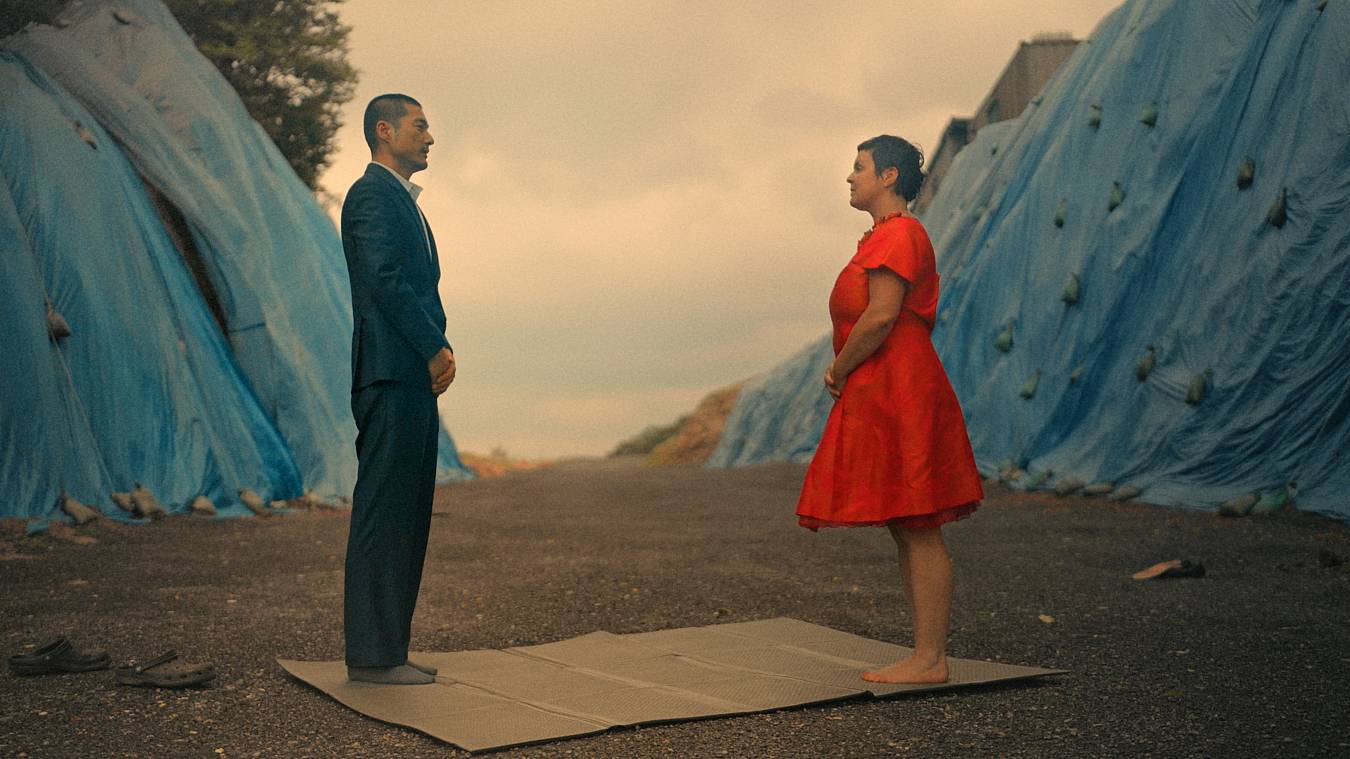
Susanne, Dein Film beginnt da, wo viele Liebesgeschichten enden. Wann hast du gemerkt: Jetzt muss ich anfangen zu filmen?
Diesen Film habe ich sehr intuitiv begonnen, genauso wie ich es erzähle: Jeong Rae hat mir am Telefon von seinem Plan erzählt, mit seiner Mutter einen Hähnchengrill in Korea aufzumachen. Da ich habe mir gesagt: Jetzt mache ich einen Film über uns. Mich hat es aber schon immer interessiert, wie Ehen, Familie und überhaupt Beziehungen zwischen Menschen funktionieren, wie der vermeintliche Mikrokosmos das gesellschaftliche Ganze widerspiegelt. Und natürlich hatte ich ein ganz eigenes Interesse daran, wie koreanische Vorstellungen und Rollenbilder und deutsche, in meinem Fall sogar speziell ostdeutsche, aufeinanderprallen.
„Kimchi & Potato“ stand einmal für eure Verbindung. Wann wurde daraus ein Spannungsfeld?
Es war schon immer ein Spannungsfeld, nur haben wir das, so verliebt und jung wie wir waren, zunächst einfach ignoriert. Ich habe uns ganz romantisch als eine Insel gesehen. So nach dem Motto: wir als Paar gegen den Rest der Welt. Aber schon da klaffen die Vorstellungen von Romantik in unseren jeweiligen Kulturkreisen weit auseinander. Und dass ich Mutter geworden bin, hat für mich sehr viel verändert.
Ich habe dann über die Jahre immer mehr hinterfragt, ob dieses Konzept der romantischen Liebe nicht auch ein Instrument ist, durch das gerade Frauen suggeriert bekommen: All diese Arbeit im Haushalt, bei der Kinderbetreuung und auch emotional in deinen Beziehungen, das machst du alles aus Liebe. Das ist Liebe. In der koreanischen Gesellschaft ist das konfuzianische Denken in einem Gemeinschaftsgefühl verankert. Es geht nicht um das Individuum, sondern um seine Rolle in der Gesellschaft. Dafür nimmst du einen bestimmten Platz in der Familie ein, den du ausfüllen sollst. Heißt das nicht auch wieder, dass die Frauen für die Harmonie zuständig sind? So gesehen hat jede Philosophie, Religion und Politik ihren eigenen Weg gefunden, Frauen zu vermitteln, dass es besonders ehrenvoll ist, wenn sie ihre Bedürfnisse hintenan stellen.
Du machst deine eigene Beziehung zum Film. Gab es einen Moment, in dem du das in Frage gestellt hast?
Meine künstlerische Arbeit hat sich immer mit meinem eigenen Leben vermischt. Schließlich verbringe ich mit jedem Film ungefähr fünf Jahre – und damit auch mit den jeweiligen Menschen. Aber natürlich hat ein Film eine Dramaturgie, es werden Charaktere herausgearbeitet und Spannungsbögen verfolgt, die Zeit auf 90 Minuten Geschichte verdichtet. Wenn man einen persönlichen Film macht, überlappen sich Film und Leben noch stärker. Wer glaubt, es sei leicht, einen Film über seine eigene Familie zu drehen, weil man schon einen vertrauten Zugang hat, der irrt. Zum Glück hatte ich Emma als Kamerafrau an meiner Seite und Marion als Editorin. Hinzu kamen die Sichtweisen von Sarah und Heejung, den koreanischen Produzentinnen, und auch von die Jin, unserer koreanischen Editorin. Dieser vielstimmige Chor von Perspektiven war wichtig als Kontrast zur persönlichen Involviertheit.
Was war größer: die Angst, die Beziehung zu verlieren oder die Notwendigkeit, sie zu verstehen?
Die Voraussetzung für den Film war, dass ich keine Verlustangst hatte. Der Film gab mir die Kraft, mich mit der Beziehung weiterhin auseinanderzusetzen. Denn ich hatte das Gefühl, dass wir als Familie, als Paar komplett feststeckten.
Du hinterfragst dich im Film als Partnerin, Mutter und Feministin. Hast du irgendwann gemerkt: Meine eigenen Vorstellungen tragen nicht mehr?
Vor allem an der Mutterrolle habe ich mich immer gerieben: diese Unverfrorenheit, mit der Frauen nach Geburt des Kindes auferlegt bekommen, klaglos in ihrer neuen Rolle aufzugehen. Als hätten sie vorher kein Leben gehabt. Ich kann ehrlich sagen, dass meine Tochter der allerwichtigste Mensch in meinem Leben ist. Aber mein Plan war nie, dass ich ihre wichtigste Bezugsperson bin. Ich wollte das wirklich teilen. Jeong Rae hat hingegen die Haltung, dass die Mutter immer die wichtigste Person für ein Kind ist.
Von der älteren Generation bekommst du als Frau unterschwellig vermittelt: Warum jammert ihr, wir haben noch viel mehr leisten müssen als ihr. Und das, muss ich selbstkritisch sagen, gibt man weiter. Man kuckt sich die jungen Mütter an und sagt ein bisschen lästernd zur Freundin: Was wollen die denn mit dieser ganzen Self Care und dem permanenten Kreisen um die Bedürfnisse ihres Nachwuchses? Hier sehe ich dieses tief sitzende Muster, doch im Privaten zu bleiben. Aber eben auch oft mangelnde Frauensolidarität. Das hat mich zunehmend gestört. Und bei den Kommentaren zum Film habe ich den Eindruck, dass einige Frauen denken, ich sei entweder selbst schuld, wenn ich es nicht hinbekommen habe, richtig feministisch zu leben, oder eben meinen, ich nähme unangenehm viel Raum ein, um mich zu beklagen. Ich möchte aber die Tragweite der eigenen (Liebes-) Entscheidungen bewusst hinterfragen und diese Verbindung des Privaten mit dem Politischen in meinem Film herstellen. Wir scheitern eben permanent an unseren eigenen Idealen. Es gibt keine perfekten Lösungen.
Du trittst auch selbst vor die Kamera, arbeitest mit Kostüm und Inszenierung. Was kannst du auf diese Weise zeigen, was mit reiner Beobachtung nicht möglich wäre?
Als Regie hat man viel Entscheidungsmacht, da fand ich es nur fair, dass ich mich nicht hinter der Kamera verstecke, sondern mich exponiere. Ich wollte mich als diejenige inszenieren, die am meisten angreifbar ist. Und ich wollte meine Art Humor in den Film bringen.
War es dir wichtig, einen Ton zu finden, der ehrlich ist, ohne schwer zu werden?
Ich wollte mit Sujets arbeiten, die so richtig extra Frauenkunst sind. Ich erinnere mich an eine Ausstellungseröffnung: Da habe ich unter dem Titel „Becoming Kim - Welcome to my Family“ Collagen gezeigt – einige sind auch im Film zu sehen –, zum Beispiel diese große Vase, die ich einen Berg hochtrage. Sie ist von der Form her der Celadon Vase nachempfunden, Koreas National Treasure Nummer 97. Ich habe sie ist mit den Nylonschürzen meiner Oma umhäkelt. In der Vase sind auf Papier notierte Familiengeheimnisse, die die Besucher*innen während der Ausstellung hineineinwerfen konnten. Ein Künstler, der auch zur Eröffnung gekommen war, meinte zu mir: Na, das ist richtige Frauenkunst. Und ich sagte damals einfach: Ja! Und jetzt arbeite ich mit gehäkelten Hauben, weichen ausladenden Formen, Früchten, Essen überhaupt, Masken, meinen Brüsten, Vasen, Schürzen, Spiegeln. Insignien von Frauenkunst, right in your face. Das macht Spaß.
Hat das Filmemachen eure Beziehung verändert?
Die Dreharbeiten sind nun eine ganze Weile her. In der Dynamik dieser Zeit hat sich gegen Ende wieder Nähe hergestellt, innerhalb der Familie, aber auch innerhalb unserer Beziehung – eine größere Wärme. Aber ehrlich gesagt bin gut darin, mit dem Fluss zu gehen und für mich selbst zu sorgen. Ich glaube, das ist das Geheimnis unserer Ehe (lacht).
Was glaubst du heute: Reicht Liebe? Und woran entscheidet sich das?
Objektiv gesehen reicht Liebe nicht. Aber du kannst sämtliche Checklisten durchgehen, alles passt perfekt – der Bildungsstand, der familiäre Hintergrund, das Einkommen, das Aussehen – und es klappt trotzdem nicht. Liebe ist nicht berechenbar. Auch wenn es in unseren Zeiten des Kapitalismus so scheint: Das kann man bei Eva Illouz nachlesen. Aber vielleicht ist Liebe deshalb nicht die beste Voraussetzung für eine Ehe, könnte man ketzerisch sagen. Wichtig ist zu hinterfragen: Wie und von wem hat man lieben gelernt? Hat man überhaupt lieben gelernt? Vielleicht wäre es besser sich das genauer anzuschauen, bevor man heiratet oder sich anderweitig zusammentut.
Was können Zuschauer*innen in deinem Film über ihre eigenen Beziehungen entdecken?
Ich hoffe, sie atmen durch und denken: Zum Glück ist es bei anderen auch kompliziert. Oft wird nach Außen hin ein perfektes Familien-, Beziehungs- oder überhaupt Leben performt, das keine*r wirklich hat. Ist das nicht extrem anstrengend?
Außerdem sollte man – statt sich immer darauf zu konzentrieren, was man selbst in einer Beziehung nicht erfüllt bekommt – seine Aufmerksamkeit mal darauf lenken, was man hat. Eine Art Rückbesinnung, warum man sich irgendwann zusammengefunden hat. Diese Frage ist gerade in den von Midlife-Krisen geschüttelten Ehen spannend.
Was hat dir dieser Film ermöglicht, was ohne ihn vielleicht nicht passiert wäre?
Endlich konnte ich mit meiner Schwiegermutter Sun Ja sprechen, ohne das Jeong Rae übersetzen musste. Das hat er immer sehr ungern getan. Sie hat den Film als Chance genutzt und ihrem Sohn Dinge erzählt, über die die beiden sonst nie reden. Der Film war eine Art Medium. Und sie hat uns in Deutschland besucht. Ich hatte mir lange gewünscht, dass Sun Ja sieht, wie wir leben, wo ich herkomme. Außerdem ist durch unsere Dreharbeiten unser interfamiliärer, interkultureller Dialog nicht privat geblieben, sondern bietet einen politischen Resonanzraum – um diesen alten Slogan der Frauenbewegung hier miteinzubeziehen.
Vielen Dank an Filmemacherin Susanne Kim!
Schauen Sie BECOMING KIM beim DOK.fest München 2026. Hier finden Sie alle Screening-Termine.
Hier kommen Sie zum Filmprogramm 2026.
