

Film und Literatur: Verwandtschaft im Erzählen
Interview zum Eröffnungsfilm INGEBORG BACHMANN – JEMAND, DER EINMAL ICH WAR mit Regisseurin Regina Schilling und Sandra Hüller von Adele Kohout
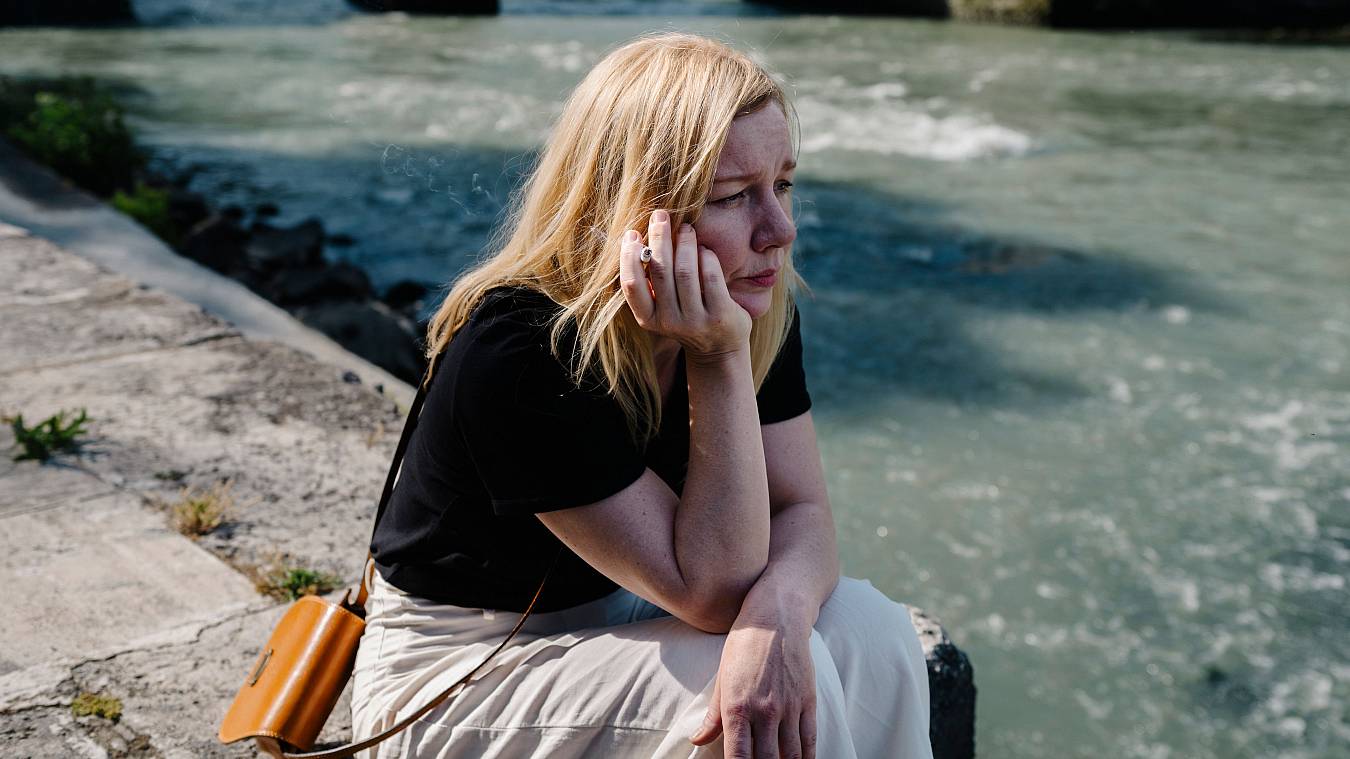
In diesem Jahr wäre die Schriftstellerin Ingeborg Bachmann 100 Jahre alt geworden. Dieses Jubiläum, aber auch die Relevanz ihrer Werke, hat die Regisseurin Regina Schilling zum Anlass genommen, einen hybriden Dokumentarfilm über die Literatur-Ikone zu drehen. Gemeinsam mit Schauspielerin Sandra Hüller bringt die Regisseurin nicht nur die Figur Bachmann auf die Leinwand, sondern schafft es auch, ihr literarisches Werk plastisch erfahrbar zu machen. Über eine Frau, die ihrer Zeit weit voraus war und wieso sie entgegen ihrem Willen heute zum Aushängeschild diverser Debatten werden konnte, sprechen Regina Schilling, Regisseurin von unserem Eröffnungsfilm INGEBORG BACHMANN – JEMAND, DER EINMAL ICH WAR, und die Schauspielerin Sandra Hüller, die im Film die Schriftstellerin verkörpert.
Frau Schiling, Ihr Film verbindet dokumentarische Materialien mit performativen Spielszenen und entwirft so ein eigenwilliges Porträt Ingeborg Bachmanns. Wie haben Sie zu dieser offenen und hybriden Form gefunden und was hat Sie daran Form besonders gereizt?
Regina Schilling: Die größte Herausforderung bei einem Film über eine Schriftstellerin ist ja, ihre Texte „unterzubringen.“ Literatur und Film, das ist ja eine komplizierte Sache. Und manchmal auch ermüdend. Da es wenig bewegtes Archivmaterial zu Bachmann gibt, musste ich von Anfang an eine andere Ebene finden, auf der ihre Texte funkeln können. Nach Sandra Hüllers Zusage war ich so beflügelt bei der Arbeit am Drehbuch, dass sich die hybride Form fast von allein ergeben hat. Weil ich ja wusste, wie unfassbar gut Sandra Literatur „vorliest“ (wir kennen uns schon lange von der lit.COLOGNE). Sie kann die schwierigsten Texte verständlich und transparent machen, weil sie eine gleichzeitig intuitive und intellektuelle Schauspielerin ist. Sie fühlt und denkt gleichzeitig – so kommt es mir zumindest vor. Ich habe mich dann vor allem durch die Texte von Bachmann „gefräst“, kann man fast sagen, und eine Text-Montage entworfen – und mir dabei Sandra vorgestellt, ob beim Kaffeekochen oder beim Autofahren. Und das hat schon am Schreibtisch irgendwie gefunkelt …
Frage an Sie beide: Sandra Hüller verleiht Bachmanns Texten eine große körperliche Präsenz und war auch in der Entwicklung des Projektes maßgeblich involviert. Wie haben Sie gemeinsam diese Form der Annäherung entwickelt?
Sandra Hüller: Der Hauptteil der Arbeit liegt bei Regina. Ich war in der glücklichen Lage, sagen zu können, wozu ich mich fähig sehe und wozu nicht. Mir war zum Beispiel deutlich, dass ich nicht im On sprechen beziehungsweise rezitieren möchte, weil es nicht darum geht, dass wir einer Schauspielerin dabei zusehen, wie sie etwas „gut macht“. Sondern eher um eine gemeinsame Forschungsarbeit.
Regina Schilling: Genau diese sehr klare Vorstellung von Sandra, dass sie eben NICHT Ingeborg Bachmann spielen und sprechen möchte, hat dazu geführt, dass sie Bachmann in allen Szenen, die wir gedreht haben, buchstäblich „im Ohr“ hat. Sie hört tatsächlich in jeder Situation ihren Texten zu. Das hatte ich nicht von Anfang an vor, insofern kam die entscheidende Idee und Methode von Sandra. Sie hat vor dem Dreh in Rom alle Texte eingesprochen, und beim Dreh wurden sie ihr mit einem Knopf im Ohr dann zugespielt. Ich habe sie ebenfalls gehört. Das war für mich total neu und faszinierend: Beim Dreh auf einen Monitor zu schauen und schon gleich das Voice Over mitzuhören.
Ingeborg Bachmann hat ihr Leben und Schreiben immer wieder ineinander gespiegelt und zugleich eindeutige biografische Zuschreibungen zurückgewiesen. Wie haben Sie filmisch mit diesem Spannungsfeld gearbeitet?
Sandra Hüller: Ich denke, wir haben das ernst genommen und viele Widersprüche stehen lassen, ohne sie zu bewerten.
Regina Schilling: Ich hatte während der Arbeit, ob beim Schreiben des Drehbuchs, beim Dreh oder später im Schneideraum, eine Aussage von Bachmann zum Roman „Malina“ im Kopf: „Malina ist weniger eine Autobiographie als ein geistiger Prozess eines Ichs, aber nicht das Erzählen von Privatgeschichten und ähnlichen Peinlichkeiten.“ Für mich ist unser Film auch eher ein geistiger Prozess … Unser gemeinsamer Ansatz war immer eine gewisse Diskretion und Respekt vor dem Geheimnis der Person Ingeborg Bachmann.
Frau Hüller, was war für Sie der Ausgangspunkt, sich dieser Figur zu nähern? Ging es Ihnen eher darum, eine historische Person zu verkörpern oder eine Haltung, eine Stimme erfahrbar zu machen?
Sandra Hüller: Mir war ganz klar, dass ich die Bachmann nicht spielen wollte in dem Sinne. Es ging eher um den Prozess der Annäherung, der sichtbar gemacht wird, um großen Respekt und um Fragen, die viele Frauen oder schreibende Frauen betreffen.
Frau Hüller, Sie nähern sich Ingeborg Bachmann in einem dokumentarischen Kontext an, der stark mit Archivmaterial und literarischen Quellen arbeitet. Welche Rolle nimmt in einem solchen filmischen Gefüge das Schauspiel, die Verkörperung einer Figur ein. Unterscheidet sich diese Form der Annäherung für Sie grundsätzlich von Ihrer Arbeit im Spielfilm?
Sandra Hüller: Nein, die Annäherung unterscheidet sich nicht von der Annäherung in einem reinen Spielfilm. Das Schauspiel nimmt hier genau den Platz ein, der nötig ist. Die Arbeit mit Regina und Johann Feindt, dem Kameramann, ist ungeheuer frei, worüber ich sehr glücklich bin. Wir haben gesammelt und vertraut, nichts wurde erzwungen oder musste irgendwie sein. Es war ein Hinhören. Geholfen hat sicher auch, dass ich die Texte, die wir vorher aufgenommen hatten, immer im Ohr haben durfte, während wir in der Wohnung in Rom eher alltägliche Dinge filmten.
Der Film berührt zentrale Themen wie Einsamkeit, Machtverhältnisse und zwischenmenschliche Abhängigkeiten, die auch das diesjährige Festivalprogramm prägen. War es für Sie ein Anliegen, Bachmann bewusst als Stimme fur gegenwärtige gesellschaftliche Debatten lesbar zu machen?
Regina Schilling: Das ist ja das Faszinierende an Ingeborg Bachmann: sie ist gerade in ihrer Prosaarbeit so visionär gewesen, sie hat alle Themen, die heute gesellschaftlich diskutiert werden, in ihren Erzählungen und in „Malina“ bereits durchleuchtet. Sprache als „Mordversuch an der Wirklichkeit“ ist ein Zitat von ihr von 1960, es fasst alle Genderdiskussionen von heute zusammen. Sie hat über „Mansplaining“ geschrieben, über Femizid, darüber, dass das Patriarchat alle krank macht, Männer wie Frauen. Wie sie über Krankheit und Trauma geschrieben hat, ist auch unglaublich auf der Höhe der Zeit. Das war mein größtes Anliegen bei diesem Film, zu zeigen, dass Bachmanns Texte wahnsinnig modern und zeitgenössisch sind und damals von den Kritikern vollkommen verkannt wurden. Ingeborg Bachmann wäre in diesem Jahr 100 Jahre alt.
Was macht sie aus Ihrer Sicht gerade heute zu einer so relevanten Figur. Ist es eher der literarische Anlass des Jubiläums oder auch die thematische Aktualität ihres Denkens über Sprache, Macht und Beziehungen?
Regina Schilling: Ich habe diese Frage mit meiner Antwort auf die Frage davor vermutlich schon beantwortet. Ingeborg Bachmanns Bücher beschäftigen mich, seit ich 20 bin. Ich komme ursprünglich von der Literatur und bin dem Dokumentarfilm eher mit der Zeit zugewachsen … Insofern hat mir das Jubiläum ein großes Geschenk beschert: dass die Literatur und Film zusammenkommen konnten.
Sandra Hüller: Für mich ist es beides. Der Geburtstag ist sicher ein toller Anlass und generiert Aufmerksamkeit. Die Themen in Bachmanns Texten sind nach wie vor aktuell und berühren mich auch persönlich.
Vielen Dank an Filmemacherin Regina Schilling und Schauspielerin Sandra Hüller!
Schauen Sie INGEBORG BACHMANN - JEMAND, DER EINMAL ICH WAR beim DOK.fest München 2026. Hier finden Sie alle Screening-Termine.
Hier kommen Sie zum Filmprogramm 2026.
