
Was tun, wenn Wissen nicht mehr reicht?
Interview zu DAS GEWICHT DER WELT mit Regisseur Florian Heinzen-Ziob von Maya Reichert
Drei Wissenschaftler*innen, drei Lebenswege, eine gemeinsame Zumutung: Sie wissen, wie ernst die Klimakrise ist und erleben zugleich, wie wenig dieses Wissen bewirkt. Für die Glaziologin Maria, den Chemieprofessor Sebastian und die Molekularbiologin Nana gerät damit nicht nur ihre Forschung, sondern auch ihre Rolle als Wissenschaftler*innen ins Wanken. Sie ziehen Konsequenzen, verlassen das Labor und suchen neue Wege zwischen Aufklärung, Öffentlichkeit und Protest.
Im Dokumentarfilm DAS GEWICHT DER WELT begleitet Florian Heinzen-Ziob diesen Übergang vom Erkennen zum Handeln. Der Film verspricht nicht nur Einblick in wissenschaftliche Arbeit, sondern in einen inneren und äußeren Aufbruch: Was geschieht, wenn Menschen, die der Krise am nächsten sind, nicht mehr still bleiben können? Beim DOK.fest München sind die Protagonist*innen und der Regisseur zu Gast und beantworten hier unsere Fragen zum Film.
Was war der Moment, in dem Ihnen klar wurde: Dieser Film muss genau von Wissenschaftler*innen erzählen, die nicht mehr nur beobachten können?
Als Dokumentarfilmer habe ich mich schon lange gefragt, wie ich einen Beitrag zur Bekämpfung der Klimakrise leisten kann. Dann las ich 2022 einen Artikel über Marinebiologen, die nach einem Extremwetterereignis an der kanadischen Pazifikküste, das Milliarden Meeresbewohner das Leben kostete, die toten Körper am Strand untersuchten. Ich fragte mich, wie geht es diesen Wissenschaftler*innen, die die Wunder der Natur erforschen wollten und nun Chronisten einer sterbenden Welt sind?
Wenig später ereignete sich die Ahrtal-Katastrophe. Ich saß mit meiner Mutter im Garten des überfluteten Hauses meiner Großeltern, wo ich als Kind oft gespielt hatte, und wir versuchten, Fotos und Dokumente vom Schlick und Wasser zu befreien. Wobei viele der familiären Erinnerungstücke für immer verloren gingen. Dabei wurde mir klar, ich muss einen Film über den Klimawandel machen, aber nicht weit weg in Kanada, sondern hier in Deutschland, vor meiner Haustür.
Ihre Protagonist*innen arbeiten mit hochkomplexen Daten, von Eiskernen bis zu molekularen Prozessen. Wie kann man solche abstrakten wissenschaftlichen Erkenntnisse filmisch übersetzen, ohne sie zu vereinfachen?
Tatsächlich war das eine große Herausforderung, mit der ich mich bei DAS GEWICHT DER WELT konfrontiert sah. Wissenschaftliches Arbeiten findet oft am Monitor statt, was filmisch schwer zu erzählen ist, und die wissenschaftliche Sprache wird schnell so kompliziert, dass sie einen Großteil der Bürger*innen ausschließt.
Deshalb war mein Ansatz, einzelne Aspekte wissenschaftlicher Arbeit genau zu erzählen. Was ist ein Eiskern und welche Rolle spielt er bei der Erhebung von Klimadaten? Wie können Polymere helfen Trinkwasser herzustellen? Gleichzeitig ging es mir aber auch darum, wissenschaftliches Arbeiten grundsätzlich zu zeigen, wie in minutiösen Prozessen um die Fakten der Klimakrise gerungen wird.
Wo liegt für Ihre Protagonist*innen die Schwelle, an der wissenschaftliche Verantwortung nicht mehr im Labor bleiben kann?
Ich glaube dass Maria, Nana und Sebastian alle für sich erlebt haben, dass es nicht ausreicht, Datensätze ihrer Forschung zum Klimawandel an die Politik, die Medien oder andere gesellschaftliche Akteure zu übergeben und darauf zu vertrauen, dass diese damit das Richtige tun. Sie mussten akzeptieren, dass ihre Verantwortung nicht mit der Übergabe der Daten endet. Maria sagt im Film: „Meine Wissenschaft ist doch kein schönes Spiel, das ich spiele, sondern hat konkrete Konsequenzen für Millionen von Menschen.“ Und Nana sagt, wenn diejenigen, die am besten wissen, wie die aktuelle Situation ist, dies in ihrem Handeln nicht widerspiegeln, wie kann man dies vom Rest der Bevölkerung erwarten?
Im Film geht es immer wieder um die Frage: Warum dringen wissenschaftliche Erkenntnisse nicht durch? Was haben Sie bei Ihren Recherchen und beim Dreh darüber gelernt, woran diese Vermittlung scheitert? Welche Formen der Vermittlung erscheinen Ihnen heute noch wirksam?
Es sind komplexe Gründe, warum wissenschaftliche Erkenntnisse zum Klimawandel nicht durchdringen. Es gibt sehr mächtige Akteure, die den Diskurs bewusst verhindern oder anzweifeln. Es gibt psychologische und neurologische Gründe, warum wir Menschen Schwierigkeiten haben, diese existenzielle Krise zu begreifen. Sie stellt unser Wirtschaftssystem in Frage und auch unser Selbstverständnis der westlichen Aufklärung, die Freiheit des Individuums und die Loslösung des Menschen von der Natur. Und sie wirft Gerechtigkeitsfragen auf, zeitlich zwischen den Generationen, räumlich zwischen Globalem Norden und Süden.
Ich hatte bei den Dreharbeiten das Gefühl, dass Maria, Nana und Sebastian immer dann am meisten Wirksamkeit hatten, wenn sie authentisch und ehrlich kommunizierten. Wenn sie über sich erzählt haben. Wie Sebastian, der vom Verlust seiner Heimat, schlaflosen Nächten und chronischer Erschöpfung erzählt. Wenn sie nicht belehrend oder bekehrend, sondern auf Augenhöhe, als Suchende und Ringende kommunizieren. Genau dies habe ich versucht im Film aufzunehmen.
Ihr Film kreist stark um die Idee, dass Wissen nicht nur Erkenntnis, sondern auch Last sein kann. Wie sind Sie diesem Gefühl des „Erdrücktwerdens“ filmisch begegnet?
Die besondere Herausforderung bei diesem Film ist, dass ich, anders als bei meinen bisherigen Filmen, nicht länger dokumentarisch Beobachtender bin, sondern gleichzeitig Betroffener und Teil des Problems. So habe ich oft nach einem langen Drehtag mit meinem Kameramann beim Abendessen gesessen, und wir haben darüber gesprochen, was das, was wir am Tag gefilmt haben, für uns und vor allem für unsere Kinder bedeutet.
Ich habe das Gefühl, dass sich für die Klimakrise einzusetzen immer auch Vereinsamung bedeutet. Auch wenn immer gesagt wird, dass das, was man als Individuum gegen die Klimakrise tun sollte, hilft, Teil einer Gemeinschaft zu werden. Eine Entfremdung von den Kolleginnen, den Freunden, manchmal auch der eigenen Familie, die es nicht mehr hören können, oder wollen, denen man unbequem wird.
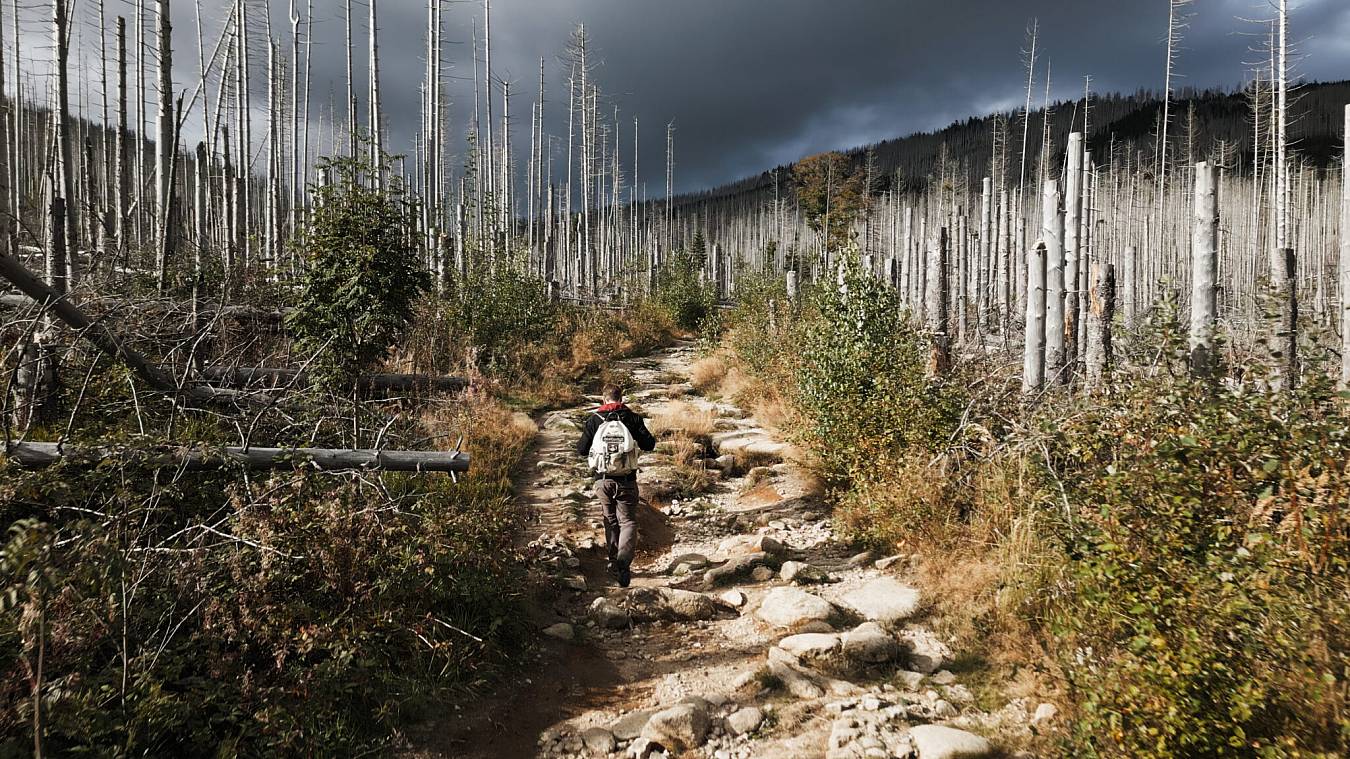
So gibt es in meinem Film, neben den vielen Momenten des Handelns, Forschens, Diskutierens und Kämpfens, immer wieder Momente der Ruhe und Einsamkeit. Momente des Auf-sich-selbst-Zurückgeworfenseins. Dabei spielen die Natur und die Umgebung, in welcher die Protagonist*innen leben und zuhause sind, eine wichtige Rolle. Es sind urdeutsche Orte wie der Harz, die Alpen, die Nordseeküste. Und doch sind es Orte, die durch den Klimawandel aus den Fugen geraten sind. Es sind „unheimliche“ Orte, denn sie sind vertraute Heimat und zugleich spiegeln sie die extremen Veränderungen wider, die uns durch die Klimakrise drohen. Das Verschwinden der Alpengletscher, die Überflutung der Nordseeküste, das Waldsterben. Und in gewisser Weise spiegeln sie auch das Innenleben der drei wider.
Ihre Protagonist*innen entscheiden sich, über ihre Forschung hinauszugehen und aktivistisch zu handeln, von TED-Talks und öffentlicher Kommunikation bis hin zu zivilem Ungehorsam. Ab welchem Punkt wird aus wissenschaftlicher Verantwortung politisches Handeln?
Ich glaube, der Übergang ist fließend. In meinem Film sagt der Meteorologe Özdem Terli scherzhaft: „Physik ist links.“ Im aktuell aufgeheizten politischen Klima reicht es oft schon aus, wissenschaftliche Fakten oder Naturgesetze zu zitieren, um in eine politische Ecke gedrängt zu werden. Das, was „neutral“ ist, wird von bestimmten Parteien und Medienhäusern immer weiter verzerrt und eingeengt. Aus Angst davor, nicht wissenschaftlich neutral zu sein, ziehen sich immer mehr Wissenschaftler*innen aus der Öffentlichkeit zurück und verstummen. Das gleiche droht gerade auch der Kultur.
Sebastian bringt es auf den Punkt: „Früher hatte ich Angst vor dem Aktivismus-Vorwurf. Aber wir sind alle Aktivisten. Wir sind entweder Aktivisten für eine Welt + oder - 3 Grad.“ Das ist die Herausforderung Klimakrise: Nicht zu handeln, sich rauszuhalten, „neutral“ zu sein, bedeutet, dass man diese Krise weiter verschärft.
Alle drei Protagonist*innen tragen einen starken inneren Konflikt zwischen Wissen und Handeln. Sie begleiten die drei auch in sehr persönlichen Momenten. Wo beginnt der Preis dieses Handelns sichtbar zu werden? Und wie haben Sie entschieden, wie nah Sie ihnen kommen und wo Sie Distanz wahren?
Meine Dokumentarfilme sind immer eine Reise und geprägt von den Protagonist*innen. Es gibt vorher kein Drehbuch, keinen definierten Endpunkt, keinen ausformulierten Weg dorthin. Das Leben der Protagonist*innen gibt die Erzählung vor.
Es war mir klar, dass der persönliche Umgang mit der Klimakrise eine wichtige Rolle im Film spielen wird. Doch gerade, weil das Persönliche in der wissenschaftlichen Arbeit eigentlich keine Rolle spielen darf, war es gar nicht so leicht, die drei zu überzeugen, dass ihre persönliche Haltung für unseren Film wichtig ist. Es war ein sensibler Prozess, sie aus ihrer wissenschaftlichen Rolle zu locken. Das ging nur über Vertrauen, darüber, viel Zeit miteinander zu verbringen und zuzuhören, statt direkt mit der Kamera loszufilmen. Auch wenn das Momente der Schwäche, des Zweifelns oder des Scheiterns sind. Vielleicht sind das ja die eindrücklichsten Momente im Film, denn sie berühren Tabus. Es ist immer gefährlich, den etablierten Weg zu verlassen. Dadurch macht man sich angreifbar. Auch durch das Mitwirken an solch einem Film, machen sich die drei angreifbar.
Ihr Film ist eindringlich, aber nicht vordergründig emotional. Was wünschen Sie sich: Soll er eher aufklären, berühren oder zum Handeln bewegen?
Ich denke, wenn man als Filmemacher zu sehr kontrollieren will, wie die Zuschauer aus dem Film gehen, erreicht man meistens das Gegenteil. Es war immer mein Anliegen den Film offen zu gestalten. Es kommen Gegenstimmen zu Wort, Fragen werden gestellt, es werden keine einfachen Lösungsversprechen gemacht. Die Zuschauer*innen werden eingeladen mitzudenken, eine eigene Haltung zu entwickeln. Ich glaube das ist das Besondere am Kino. Wenn wir von den Informationen emotional berührt werden, übersetzen sie sich ins Handeln.
Nach all den Einblicken und Gesprächen mit Wissenschaftler*innen, die „am nächsten dran“ sind: Hat sich Ihr eigenes Verhältnis zur Klimakrise durch den Film verändert?
Wenn man solch einen Film macht, ist man sehr einsam. Wenn mich Menschen gefragt haben, wovon handelt dein neuer Film und ich antwortete, über die Klimakrise, kam meist betretenes Schweigen. Und ich sah mich gezwungen, mich zu entschuldigen, dass ich dieses unerfreuliche Thema angesprochen habe. Oder ich bekam zu hören, das Klimathema sei durch, was eine seltsame Aussage ist, denn das Thema ist ganz sicherlich nicht durch mit uns.
Ein Film ist immer ein Dokument seiner Zeit. In der Zeit in welcher ich den Film gedreht habe, 2023–2025, haben wir in der westlichen Welt im Bereich Klimaschutz ein Rollback erlebt. Klimaziele wurden aufgeweicht, Gesetze zum Klimaschutz zurückgenommen. Das 1,5 Grad Ziel wird nicht eingehalten. Der wissenschaftliche Beirat der europäischen Union warnt bereits vor einer 3-4 Grad wärmeren Welt. Ein Film über die Klimakrise im Jahr 2026 muss also zwangsläufig auch ein Film über das Scheitern sein. Und über Abschied. Und darüber, wie man trotzdem hoffnungsvoll bleibt und weiterkämpft. Hier habe ich viel von meinen drei Protagonist*innen mitgenommen, Nana, Maria und Sebastian. Sie machen weiter, nicht aus naivem Optimismus, sondern hart erkämpfter Hoffnung und einem tiefen Gefühl der Verantwortung.
Vielen Dank an Filmemacher Florian Heinzen-Ziob!
Schauen Sie DAS GEWICHT DER WELT beim DOK.fest München 2026. Hier finden Sie alle Screening-Termine.
Hier kommen Sie zum Filmprogramm 2026.
